
Restorative Justice
Restoring relationships requires more than resolution. It asks for accountability, understanding, and a willingness to do things differently.
I develop and support programs that use restorative approaches to strengthen connection, address harm, and build belonging in communities and organizations.
The R&R Programs for Restoring Relationships are at the heart of this work.
Developed with a team of thoughtful, committed leaders, these programs bring together restorative and social justice principles, secular mindfulness, and emotional intelligence.
They support people and organizations in navigating conflict, building accountability, and restoring trust in meaningful and lasting ways. Participants are invited to deepen awareness, strengthen connection, and move toward more inclusive and compassionate ways of being together.
Grounded in Beverly Title’s 5 R’s framework, the programs focus on:

Relationships
Responsibility
Respect
Repair
Reintegration

Our interconnectedness
My deeper focus on restorative practice began during the COVID-19 pandemic, which disrupted relationships and systems in profound ways.
In that period of uncertainty, I felt called to reflect more intentionally on how we respond to harm, conflict, and disconnection. This led me to pursue restorative justice training through Simon Fraser University.
What began as a learning experience quickly became a foundational shift in how I understand my work. Restorative practice aligns closely with the values that have guided me for over two decades: mindfulness, accountability, relational depth, and community-based solutions.
It invites a shift:
- from punishment to responsibility
- from exclusion to beloninging
- from shame to growth
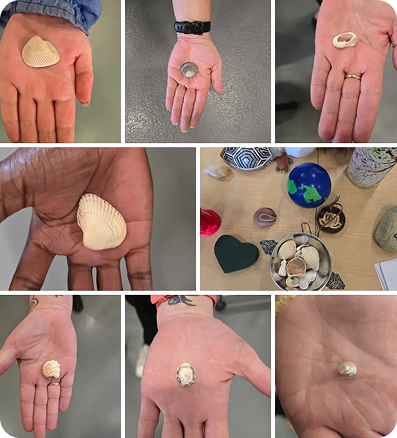
A restorative lens
Today, restorative approaches inform how I design programs, facilitate dialogue, and collaborate across communities and systems.
This work is grounded in a simple but powerful set of questions:
- What happened?
- Who has been impacted?
- What is needed to make things right?
- How do we move forward in a way that strengthens relationships?
These questions create space for honesty, accountability, and meaningful repair.
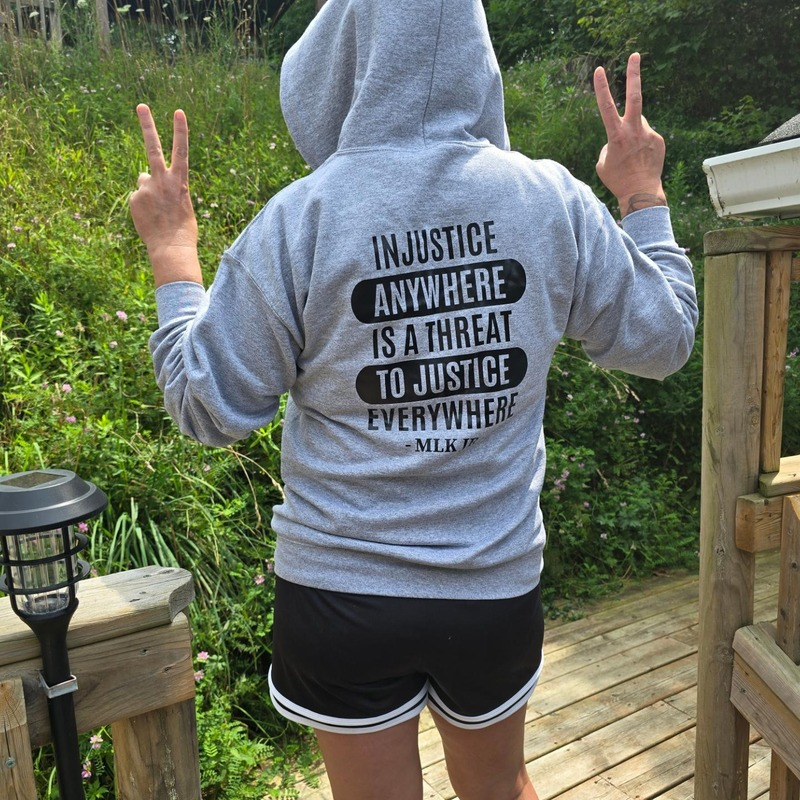

Putting the work into practice
This work takes many forms, including:
- Facilitating restorative circles and dialogue processes
- Supporting accountability and repair after harm
- Addressing conflict within organizations and communities
- Building systems that prioritize dignity, equity, and belonging
Each of these approaches is rooted in the same intention:
"to create space for people to be heard, to take responsibility, and to move forward in more connected ways."
Click here to preview our program flyer.